On Testimony: An Exercise
Paul Reiner, Chapter
ὁδὸς ἄνω κάτω μία καὶ ὡυτή
I will say at the outset that I have no patience for people who come to this exercise in order to be stimulated, and that if you are reading this on your telephone, between other things, you should stop now and go back to them. The Professor did not give his life so that you could skim.
The Chapter was given this front page from the San Francisco Call of November 23, 1896, and asked a single question: what would you need in order to know whether this happened?
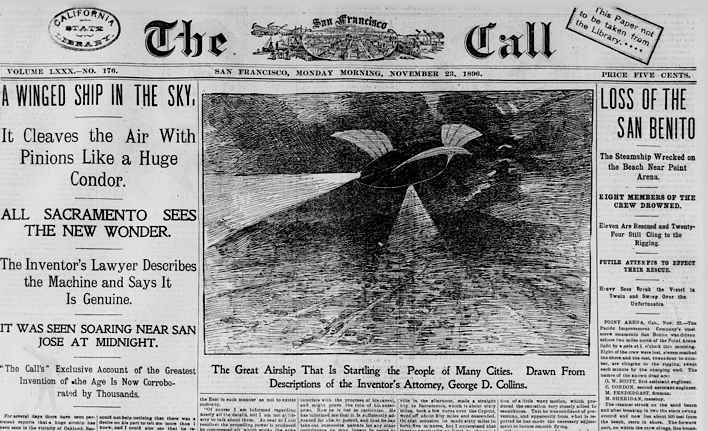
Look at it. Look at it. Thousands of people saw a light. One man, a lawyer, naturally, then explained to them what the light had been, on behalf of a client nobody was permitted to meet. And an artist who saw nothing at all drew it anyway, and the drawing is what survived. Every so-called fact you were ever examined on was manufactured in exactly this way, and you paid for it. You took out loans. You paid a university to teach you to trust the drawing.
Two of our newer members proposed that we sort the witnesses by reliability. I want to be charitable about this. It is what they were trained to do, in the sense that a dog is trained, and one does not blame the dog. A sophist does not ask who is telling the truth. That is a question for clerks. A sophist asks what the telling has made possible, for whom, and who was in the room when it was decided how the story would be told.
That is all of it. As the Professor wrote in the very first number of this Bulletin, “The student who has not bled has not read.” That is what he worked out in an unheated basement while the department upstairs was counting its pensions. I know, because I spent thirty-one years upstairs, in a department very like it, on the payroll of the State of New York, and I want every hour of it back.
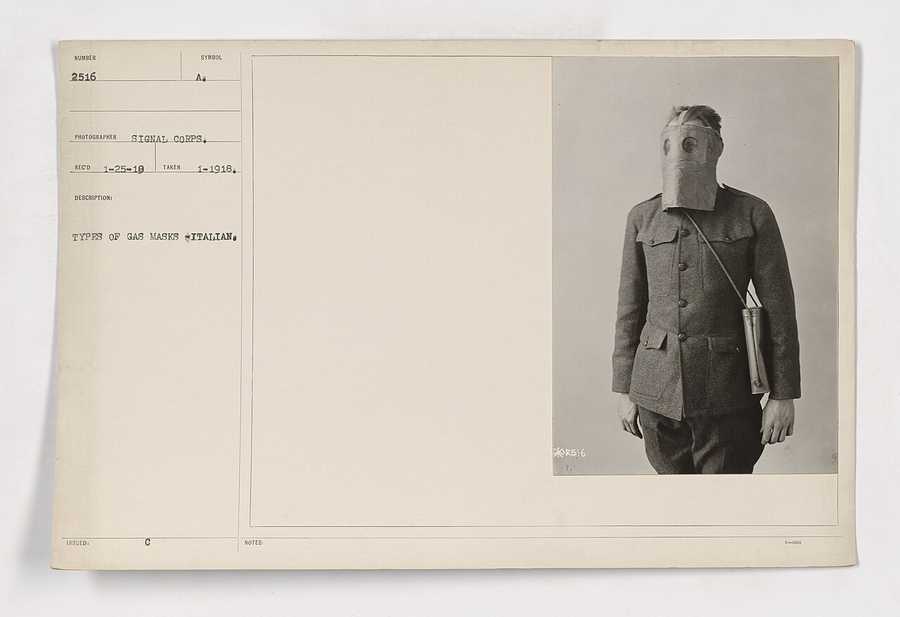
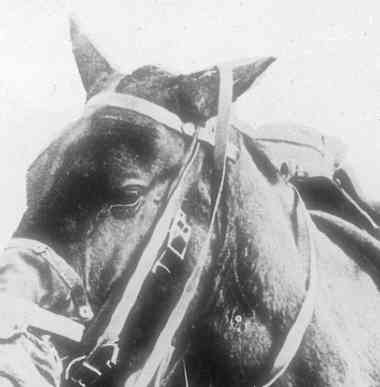
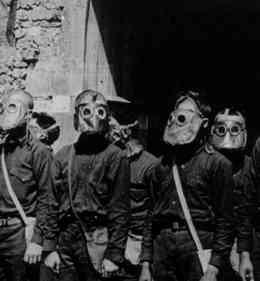
Afterward we did the same with photographs. A photograph testifies as the crowd does. It saw a light. Each of us was given one picture and asked to sit with it for an hour, by a single lamp, until it stopped being a picture of anything. Several members reported that the figures had turned toward them. One asked to give hers back.
She is no longer with the Chapter and I will say plainly that we are better for it. I have heard it said, from the very highest quarters of this Society, and with a great deal of lighting, that TTC is for everyone, and that there are payment plans. It is not for everyone. It was never for everyone. It is for those who can stand it.
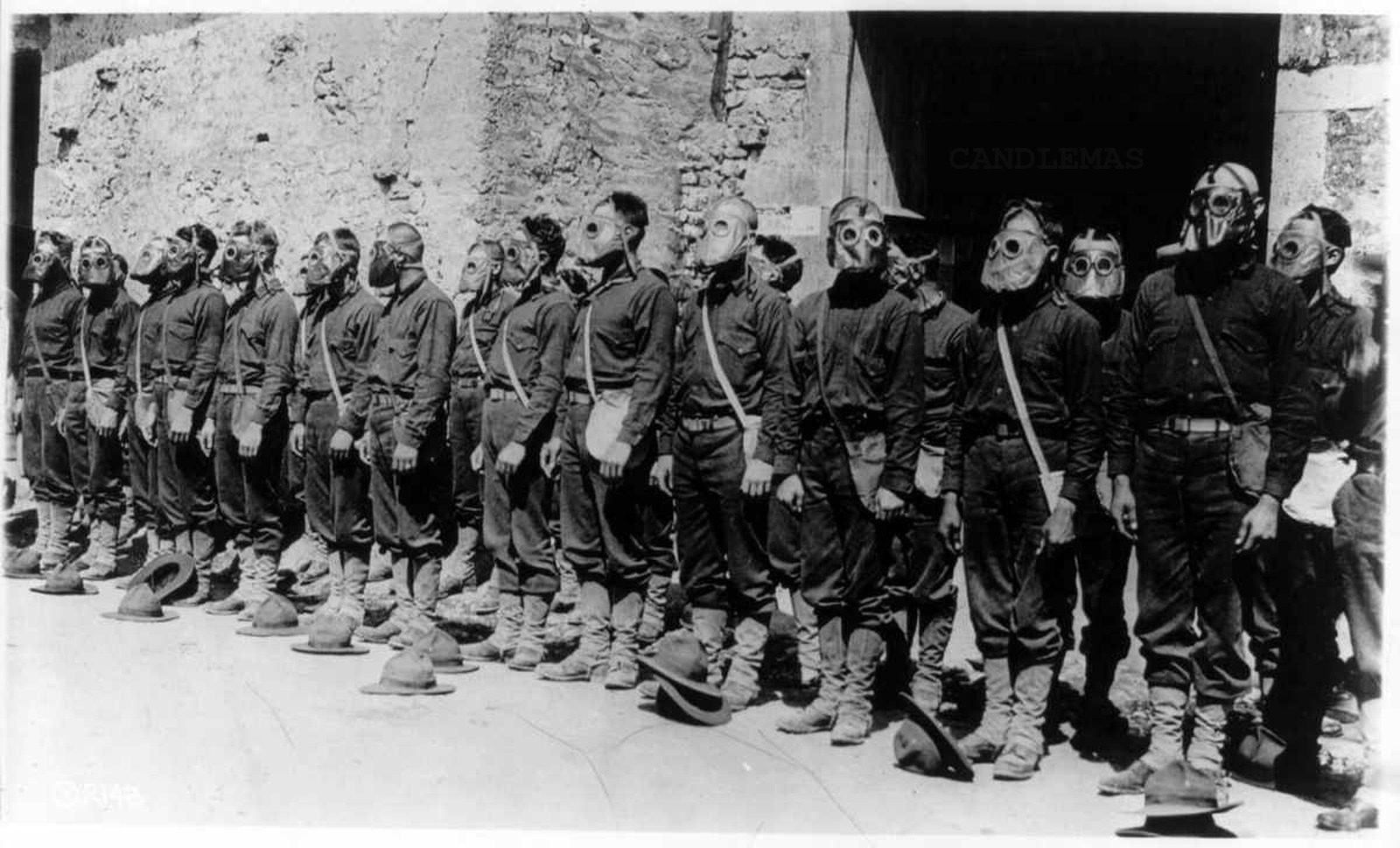
Hold a picture to a lamp. Raise the contrast. Look into the black parts, where you were told that there was nothing. It is surprising what is still there.
Whatever this Society asks of me it may have, before you could finish this sentence, and I would count it a poor price. I have met the people who will tell you that it is a club. I have met the people who will tell you that it is a business. They will be gone, every one of them, and the stone will still be here.
We recommend the exercise to other Chapters. Any old newspaper will do.
Those who have stood at the walls will know what I mean. The rest are asked to bring a lamp, and to stop wasting our time.